

Selling Your Townhouse: What the New HOA Lending Rules Mean for You

The short version
In 2026, Fannie Mae and Freddie Mac tightened how lenders check the financial health of condo associations before approving a buyer's mortgage. Most buyers use a conventional loan backed by one of these two agencies, so these rules decide whether many buyers can finance your home.
If your townhouse is legally a condo, your HOA's budget, reserves, insurance and repair history now get a full review on every sale. A weak HOA can stop a buyer's loan even when the buyer is fully qualified.
If your townhouse is legally a PUD (you own the land under your unit), Fannie Mae waives this project review. The first step is finding out which one you own.
What changed, and when
The changes come from Fannie Mae Lender Letter LL-2026-03, issued March 18, 2026, with matching updates from Freddie Mac. Two of them matter most to sellers.
August 3, 2026 (in effect now): The quick "Limited Review" was eliminated for established condo projects with more than 10 units. Every buyer's lender now does a Full Review of your HOA. About 40% of condo sales used to rely on the quick version.
January 4, 2027: Required reserve savings rise from 10% to 15% of the HOA's annual dues income. An HOA saving less than 15% can make its units ineligible for conventional loans. Lenders are encouraged to apply this now.
An HOA can avoid the 15% minimum only if it has a reserve study done within the last three years and funds reserves at the highest level that study recommends. Condo projects with 10 or fewer units can skip project review entirely, unless they belong to a larger development or master association.
First question: is your townhouse a condo or a PUD?
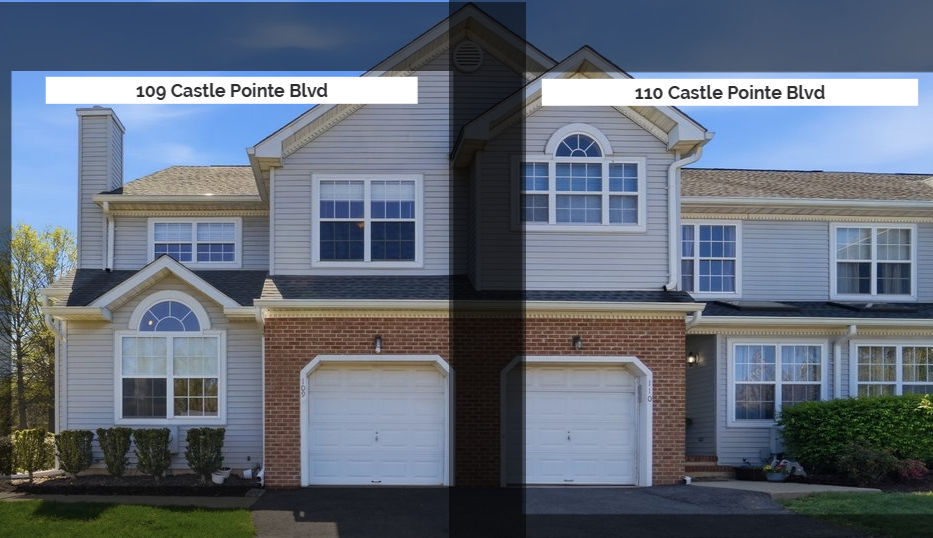
"Townhouse" describes the building's style, not how it's legally owned. Two townhouses side by side can be owned in completely different ways, and the new rules hit them very differently.
Condo townhouse
You own your unit; the land is shared by all owners.
Created by a recorded master deed or condo declaration.
Lenders must do a Full Review of the HOA. The new rules apply.
PUD townhouse
You own your unit and the lot beneath it.
Your deed describes your own lot, often with HOA covenants.
Fannie Mae waives the project review. The new rules largely don't apply.
How to tell: your deed, your title policy, or the HOA's governing documents will say. A survey or tax map showing your own lot dimensions usually points to a PUD. Tax records sometimes mislabel PUDs as condos, so check the recorded documents, not the tax bill.
This matters for marketing too. If the listing calls a PUD a condo, a buyer's lender may run the stricter condo review by mistake.
What a lender now checks in a condo HOA
Under a Full Review, the buyer's lender looks at the association, not just the buyer:
Budget: whether at least 10% of dues income (15% from January 2027) goes into reserves each year.
Reserve study: whether one exists, is less than three years old, and is actually being followed.
Delinquencies: how many owners are behind on their dues.
Repairs: any deferred or critical repairs. Unaddressed critical repairs can disqualify the whole project.
Special assessments: current or planned charges to owners.
Insurance: the master policy's coverage and deductibles.
Board minutes: what the board has been discussing, including disputes or upcoming projects.
An HOA can have money in the bank and still fail if its current budget isn't putting enough into reserves.
How this can affect your sale
If your townhouse is a condo and the HOA falls short, the risk is to your buyer's financing, not to your title or your right to sell.
Fewer financed buyers. If the project fails review, buyers using conventional loans may not be able to buy. That leaves cash buyers and specialty "non-warrantable" loans, which usually cost buyers more.
Longer timelines. A Full Review takes weeks if the HOA or management company is slow to send documents, compared with days under the old quick review.
Deals falling apart late. A buyer can be fully approved personally and still lose the loan when the HOA documents come back.
Price pressure. A smaller buyer pool and more uncertainty can weigh on offers.
A well-run HOA with healthy reserves is now a real selling point, and worth showing buyers up front.
What to do before you list
Getting HOA documents early lets us find problems before a buyer's lender does.
Confirm whether the townhouse is a condo or a PUD (deed, title policy, master deed).
Request the current HOA budget and confirm the percentage going to reserves.
Request the latest reserve study and its date.
Ask about owner delinquency rates.
Ask about any planned or current special assessments.
Ask about deferred maintenance or major repairs planned or underway.
Get a copy of the master insurance policy declarations page.
Request the last 12 months of board meeting minutes.
Ask the management company how quickly it returns lender questionnaires.
If anything comes back weak, we can plan for it in pricing, in which buyers we target, and in the contract timeline.
Sources
This is general information, not legal or lending advice. A buyer's lender makes the final call on any loan.

Comments